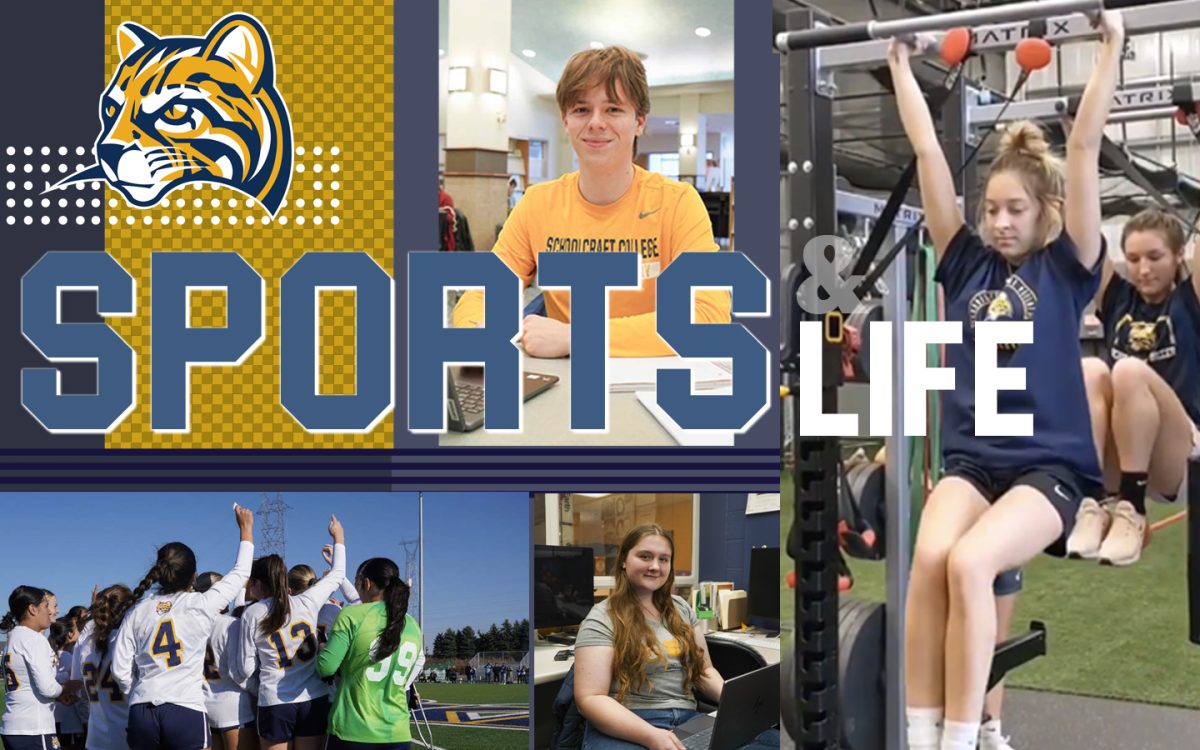
At 5:30 a.m., while the Schoolcraft campus buildings are still quiet and most students have hours of sleep ahead of them, many athletes are already facing their first battle of the day: the comfort of their beds. This is the daily reality for volleyball player Hayden Brose, whose day begins long before the sun rises. There is no time for negotiations with the subconscious. The pace is intense, and her first commitment, team practice, demands high energy from the very first hour.
Nutrition is the foundation of this routine. Each athlete follows different habits to stay energized until their next meal. To fuel her demanding schedule, bowler Olivia Lambert takes extra care with her morning meal, preparing rice and eggs at 6 a.m. This breakfast gives her the stamina to meet the demands of her day.
However, a strict early-morning routine isn’t the only path to success.
Some athletes, like Cross Country runner Matthew Saval, find their rhythm later in the day. Whether an athlete is an early bird or a night owl, the priority remains the same, understanding the crucial need for recovery and sleep to face another grueling day of training.
Regardless of how their mornings begin, these athletes represent Schoolcraft College in blue and gold, competing throughout Michigan and on the national stage. Yet, their toughest opponent isn’t always the team in the other uniform, it’s the clock.
With non-negotiable schedules for training, classes, and games, every extra minute is valuable. Balancing this lifestyle requires constant sacrifice, what economics professors conceptualize as “opportunity cost.”
In the life of an Ocelot, every hour comes with a price. Choosing an extra hour at the gym might mean sacrificing an hour of studying for a math exam. A week of intense training must be balanced by a weekend spent in front of books and computers. It is a constant game of give-and-take, where everyone knows that excelling on the field means nothing if it is not accompanied by academic success.
Beyond the Scoreboard
In the world of sports, winning games is the goal, but at Schoolcraft, athletics are designed as an extension of the classroom, ensuring that academic and athletic achievements go hand in hand. While the competitive world is largely driven by results, every coach and staff member at Schoolcraft Athletics works with a deeper purpose: extracting peak performance while molding the values and character of each athlete, both professionally and personally.
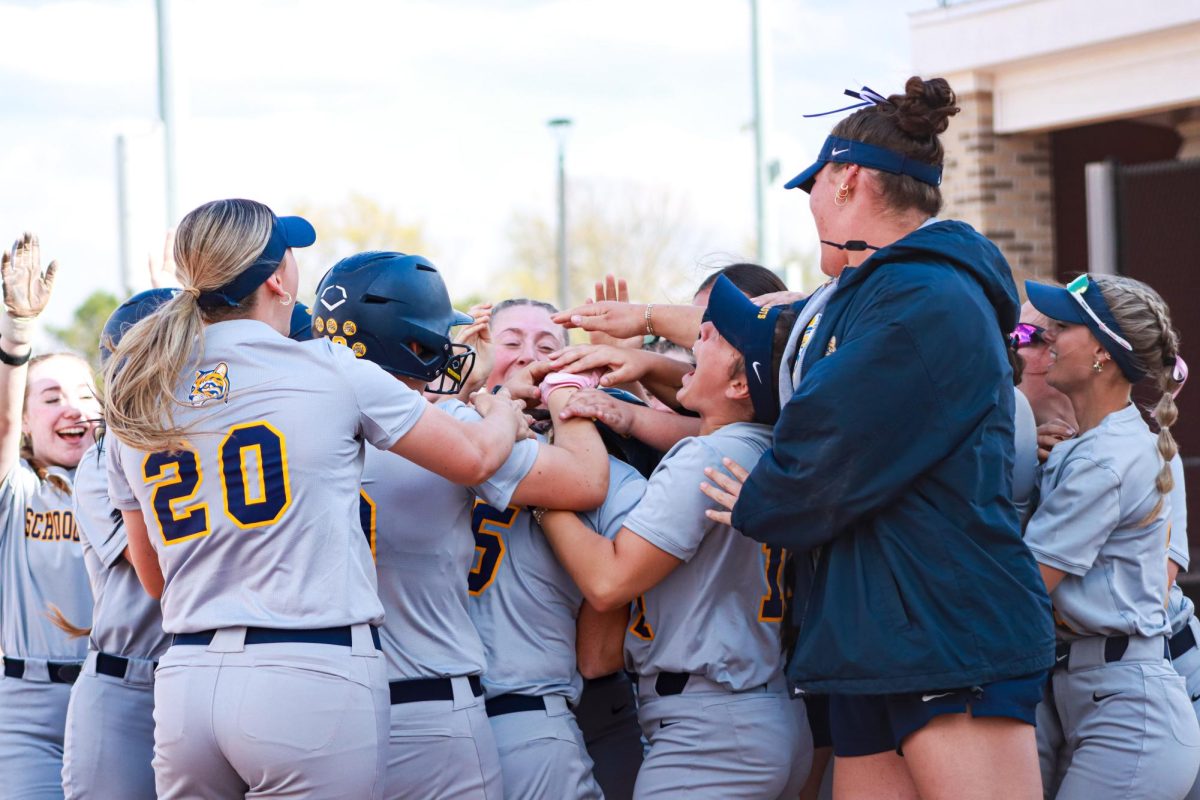
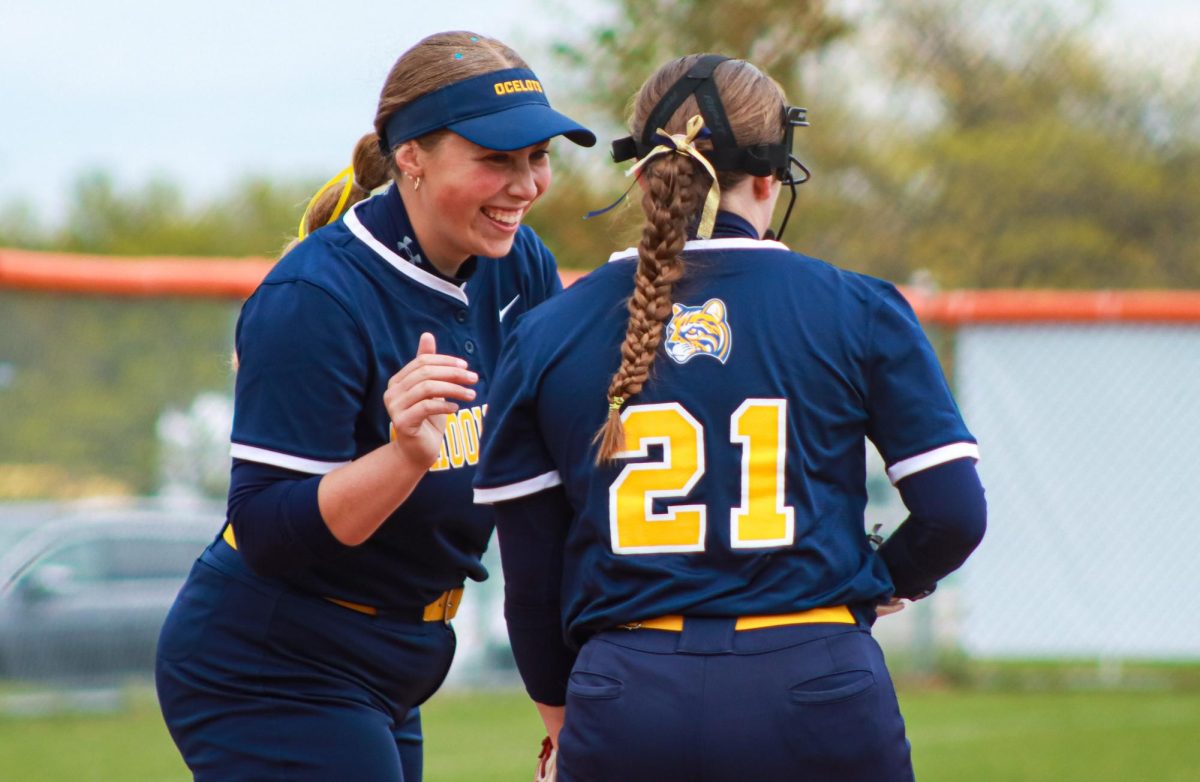
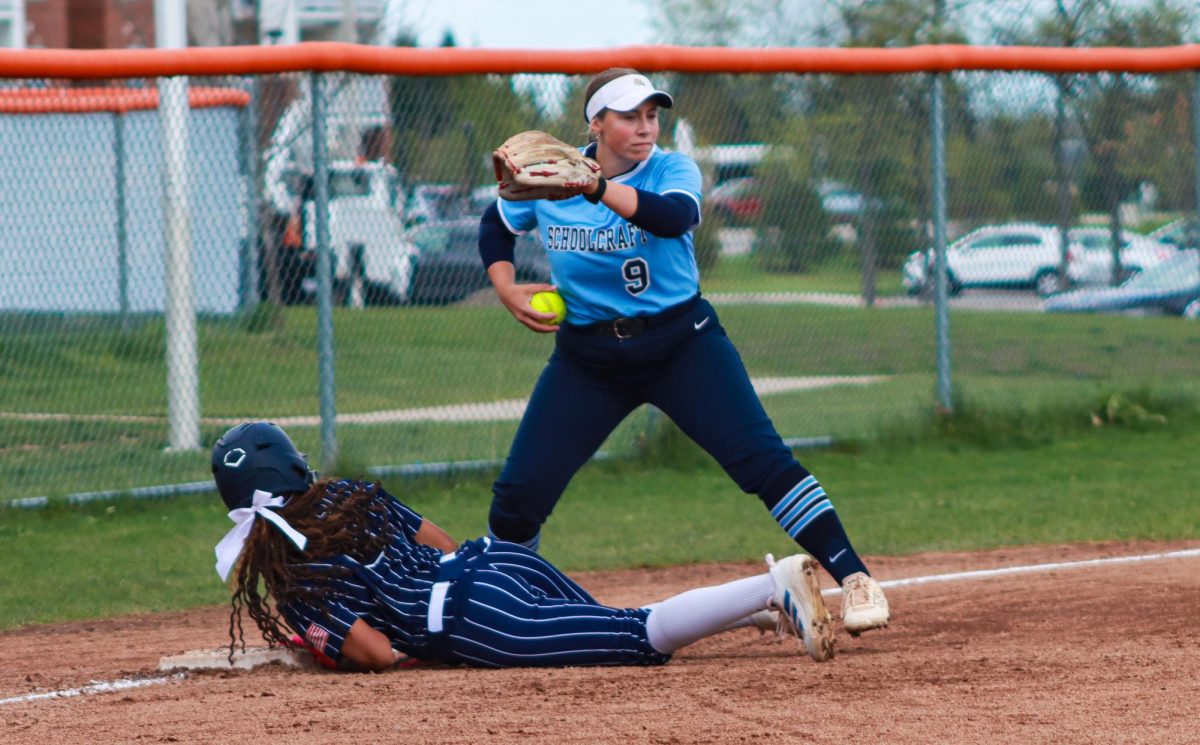
This structure supports more than 250 student-athletes across 13 active sports. For many of these Ocelots, the blue and gold uniform is a crucial springboard, providing the high-level competition and academic support necessary to transfer to four-year university programs. It is a natural path that broadens their educational and professional horizons.
The Ocelots’ roster is as diverse as the students themselves. The men’s programs include baseball, basketball, bowling, cross country, golf, ice hockey, and soccer, while the women’s side competes in basketball, bowling, cross country, soccer, softball, and volleyball. Regardless of the sport, every athlete follows the core principles and mission of the athletic department: to develop student-athletes who lead both on and off the field.
The Mechanics of Balance
While waking up is just the first challenge of the day. The real struggle is navigating a day where every hour is already committed.
To maintain GPAs close to 3.5 or better, while remaining competitive, these student-athletes develop their own management strategies.
For softball captain Kaitlyn Solberg, victory begins with pen and paper.
“I like to plan each week before it starts so I can prepare myself mentally and physically,” said Solberg. By mapping out her commitments, she ensures her academic responsibilities are never neglected during the height of the season.
While Solberg relies on anticipation, others find time in the gaps between activities on busy days. Because bowling has a unique, spaced-out rhythm, Olivia Lambert has mastered the art of multitasking.
“I study between shots even on bus trips when we travel for tournaments,” said Lambert. This requires a high level of concentration, turning every spare minute into a productive study session to keep her routine on track.
Soccer player Jessica Clyde adopts a mental approach: compartmentalization. For her, the secret is being 100% present in the moment.
“When I’m at work, I’m focused on the kids. When I’m studying, I’m focused on studying. When I play soccer, I dedicate my mind exclusively to that,” said Clyde. By refusing to let the stress of one area affect another, Clyde preserves the energy necessary for her demanding routine.
As seen, not all systems are the same.
Saval operates in what he calls “controlled chaos.” A self-proclaimed night owl, his day often starts at 10 a.m. to the iconic riff of The Rolling Stones’ “I Can’t Get No Satisfaction.” His discipline doesn’t always follow the sunrise; instead, it is a true test of willpower, with Saval often adjusting his priorities to finish training late at night to ensure his academic obligations are met first.
Behind the Stage
Maintaining this level of excellence comes at a personal cost. Behind the statistics and game highlights are the difficult choices that define the experience of a student-athlete. For Saval, the cost is often measured in exhaustion. He admits that sometimes he puts on his shoes at 3 a.m. to finish a workout that didn’t fit into his schedule.
“The next day is awful,” said Saval. “I can’t think, I have no willpower, but somehow I keep going.”
Clyde faces a similar struggle, often sacrificing hours of sleep or making the most of every minute of the team’s travel time to maintain consistency in her tasks. Even the sport itself sometimes demands sacrifices. Lambert recalls having to miss practices due to conflicting class schedules. Although it was difficult to adapt to bowling after her teammates had already started, she saw it as a lesson in professional adaptability, a necessary trade-off for her academic training.
Adaptability is a virtue that should accompany everyone, because you never know what the next action will be like. For one reason or another, at the last minute you need to change everything and reorganize your schedule to meet all commitments.
Fortunately, these Ocelots don’t walk this path alone. A solid support system, composed of coaches and teachers, provides the necessary safety net.
Brose and Clyde both emphasize the empathy found within the Schoolcraft faculty. “The coaches and professors are very understanding,” said Brose. “Our coach always stresses that school comes first.”
Whether it’s a coach setting up a personalized practice plan for Lambert or a professor granting an extension for a traveling athlete, this culture of communication ensures that being a champion on the field doesn’t come at the expense of a future career.
The Foundation for the “Next Play”
The sweat and late-night study sessions are about more than winning games; they are about building a foundation for life.
Each Ocelot carries lessons that the classroom alone could never teach. Solberg credits her sport for her growth in leadership, while Saval found meaning in the struggle. After recovering from a torn ACL, he learned to “love the process,” a grit he now applies to every academic and athletic challenge.
To maintain this drive, these athletes must also find ways to unplug. Away from the pressure of competition, the Ocelots reveal a multifaceted side. Lambert finds peace in the wind ensemble or drawing to calm her mind. Brose crafts jewelry and prioritizes a social life outside the court, while Saval turns to the high-speed world of sim racing and the classic riffs of his guitar. For Clyde, “sitting still” is rarely an option; she recharges through movement, whether lifting at the gym or walking her dog.
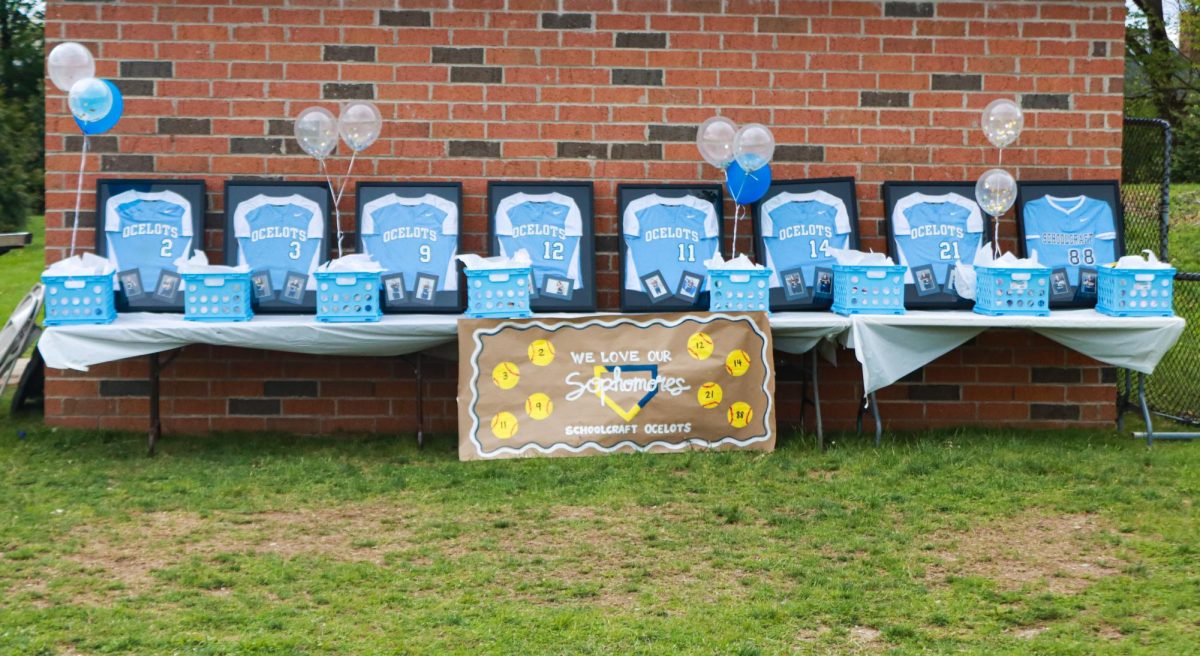
As the sophomore year pushes toward its conclusion, these athletes are already looking at their next play. Their paths are as diverse as their sports. While Solberg dreams of transferring to a warmer climate to continue her softball career, Brose and Saval both eye Wayne State, she for fashion design or cosmetology and he for Radiation Therapy. Clyde plans to pursue Exercise Science, and Lambert looks forward to a four-year university where bowling will remain a lifelong passion.
Regardless of where they go, the discipline follows them. As Saval puts it, success is like compound interest: “It’s about taking little steps each day. Even if you aim for the stars, you might hit the moon, and that’s a lot farther than if you’d never started walking.”
The Playbook for Success
For those looking to follow in their footsteps, the Ocelots offer a clear playbook: success is a blend of discipline and self-care. Solberg emphasizes preparation.
“Plan and write out your assignments. Surround yourself with people who want to see you succeed,”said Solberg.
However, planning is only half the battle.
Brose and Lambert both emphasize the importance of balance and rest.
“Get plenty of sleep and take care of your body and mind,” Brose stresses.
Lambert adds that she always schedules time for herself. “You need rest. Without it, you can’t perform.”
It’s a lesson in patience that Clyde summarizes perfectly. “Take things one step at a time. When life feels overwhelming, focus on the present and don’t forget to take care of yourself.”
Being a student-athlete at Schoolcraft is a marathon. It demands a mastery of opportunity cost that most people don’t develop until much later in life. But through the early mornings and late-night sessions, these Ocelots are doing more than playing a game, they are developing the resilience that will define their futures.
The final whistle may blow, but the skills they’ve built will remain long after the stadium lights go dark.