The FIFA World Cup is more than just a soccer or football tournament. It is a global phenomenon where indifferences are forgotten, and humanity unites to celebrate the spirit of sport. This upcoming event, which promises to connect the world through the beautiful game, will emotionally define a generation of fans.
A Historic North American Stage
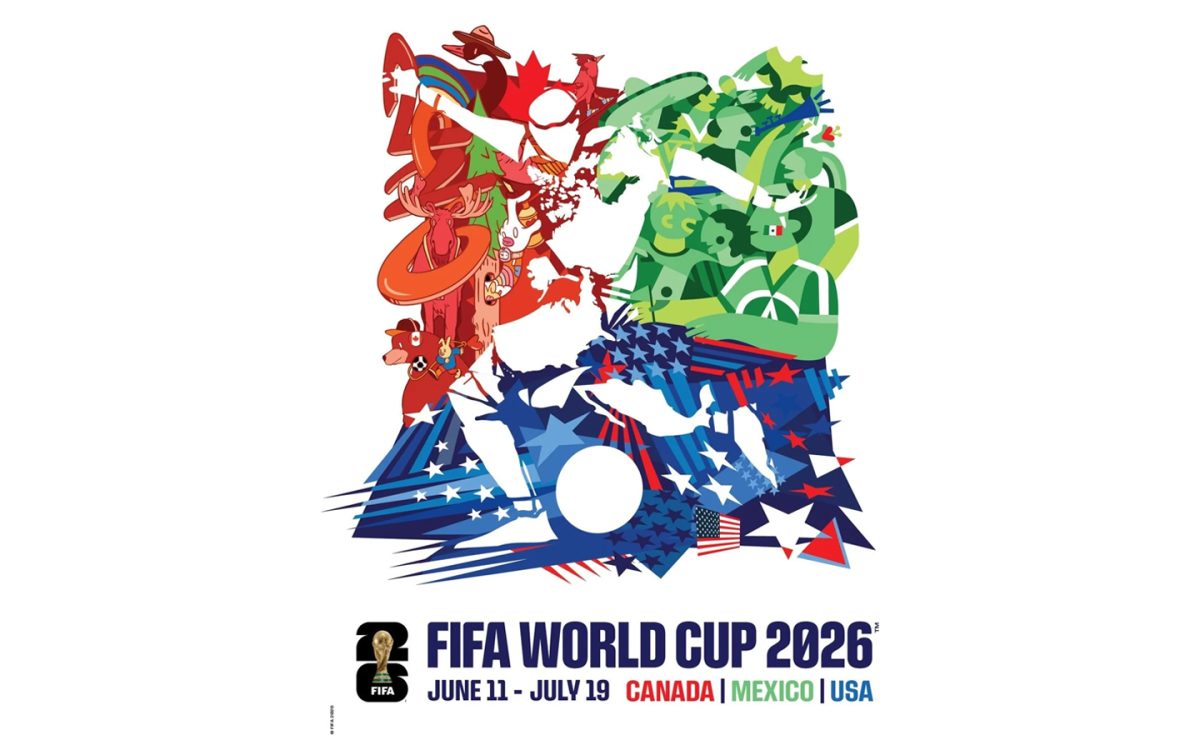
For the first time in history, the World Cup will be hosted by three nations: Canada, the United States, and Mexico. Canada will host the men’s tournament for the first time, welcoming 13 matches and featuring its national team as the seed for Group B (with primary bases in Vancouver and Toronto).
The United States, which previously hosted the tournament in 1994, returns to the spotlight for this second edition. The U.S. will host most matches, with 78 games, including the grand final on July 19 at MetLife Stadium in East Rutherford, New Jersey. Meanwhile, Mexico makes history as the first country to host the tournament for the third time. The country will host 13 games, including the prestigious opening match at the legendary Azteca Stadium on June 11.
In total, 104 matches will be played across 16 host cities. The competition begins with a group stage consisting of 12 groups of four teams each. The top two teams from each group, along with the eight best third-place finishers, will advance. From there, the tournament shifts to a high-stakes, single-elimination play-off format, where one victory leads to the next round, and one loss means going home, until a champion is crowned in the grand finale.
Expectations for this World Cup are sky-high. When it comes to sports entertainment, the United States has unmatched expertise, as seen in the grandeur of the Super Bowl, the intensity of NBA games, and the tradition of Major League Baseball. This expertise, combined with the passion of Mexico and Canada, sets the stage for a historic event.
The Era of 48 Nations
This edition also marks the first time 48 teams will compete, a significant expansion from the traditional 32. This change was driven by the vision of making the championship truly global, offering opportunities to nations that have historically lacked a platform on the world stage. From rising powerhouses to the small island of Curaçao, the world is eager for a classic “underdog story.” After all, who doesn’t love to see a debutant defy the odds?
Contenders for the Throne
Argentina enters as the defending champion after their historic triumph in Qatar 2022. Now boasting three stars on their chest, the “Albiceleste” remains a favorite, led by the eight-time Ballon d’Or winner, Lionel Messi. European powerhouses France and Germany also stand as formidable candidates, betting on a fusion of experienced leadership and explosive new talent. France, led by Didier Deschamps, who has held his position since July 2012, seeks to crown his long-standing project with another world title. Spain, the Euro 2024 champions, arrives with a vibrant new generation led by the young star Lamine Yamal. Meanwhile, Portugal seeks its first-ever world title, led by Cristiano Ronaldo and fresh off their 2025 UEFA Nations League victory.
Brazil and the “North American Destiny”
We must discuss Brazil with the respect its history demands. As the only five-time champion and the only nation to play in every World Cup since 1930, the “Amarelinha” remains the sport’s greatest icon. While recent results have been questioned, hope is renewed with Carlo Ancelotti leading a world-class talent squad.
Furthermore, history seems to whisper in favor of the Brazilian side. Looking back, the stars aligned for Brazil both times the tournament visited these lands: they were crowned champions in 1970, hosted by Mexico, and again in 1994, hosted by the United States. As the tournament returns to North America, one cannot help but wonder: is this predestination? Will the fields of 2026 once again turn green and yellow?
The End of an Era
Amidst the celebration, there is a profound sense of nostalgia. We are witnessing the final chapters for players who redefined the game. Robert Lewandowski, who rose from the Polish third division to break records at Bayern Munich, will likely not see another World Cup stage.
The legendary Luka Modric, the maestro who dictated the tempo for Real Madrid and Croatia, will bid his farewell. We see the same with Kevin De Bruyne, the “King of Assists” for Belgium, and Colombia’s James Rodríguez. In Mexico, the ageless Guillermo Ochoa will likely guard the net for the last time. For Brazil, veterans like Thiago Silva and potentially Neymar Jr. are preparing for their final matches with the “Canarinha.”
Most notably, the curtain is closing on the greatest rivalry the sport has ever seen: Lionel Messi and Cristiano Ronaldo. Their impact is comparable only to the likes of Pelé and Maradona and it is still hard to state that. One, a natural prodigy from Argentina who enchanted the world at La Masia with his impossible left foot and divine dribbling. The other, a Portuguese titan who overcame immense family struggles to become a machine of strength, sprints, and goals. They molded the modern game, and football has yet to find their substitutes.
As in any sport, regardless of the final score, what truly matters are the friendships created, the stories lived, and the memories kept. May everyone celebrate the game when the final whistle blows, rising hope above rivalries.
For more information on tickets and hospitality, visit the official link: FIFA World Cup 2026 Hospitality.