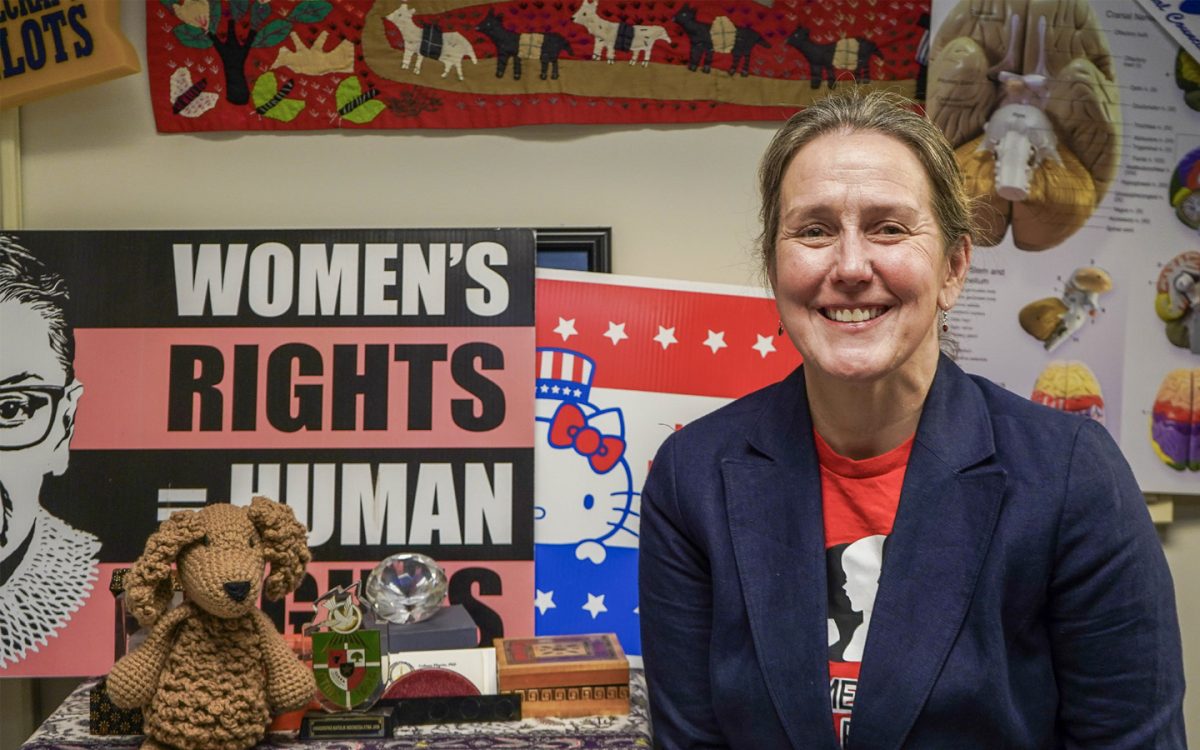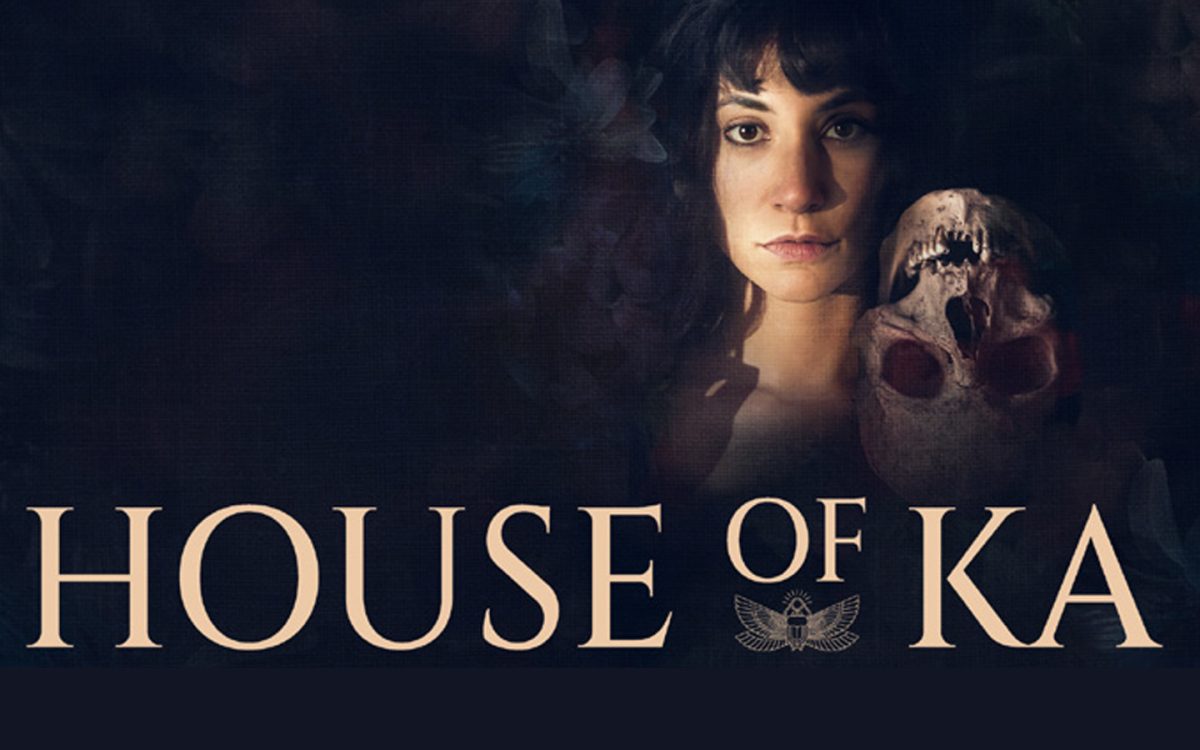
Amazon Prime recently released House of Ka, a gothic horror film written and directed by Schoolcraft Theatre Department professor Micheal Alan Herman. Inspired by Bram Stoker’s lesser known novel “The Jewel of Seven Stars,” the film showcases Herman’s many talents as director, writer and owner of the production company, Acorn Arts and Entertainment. Behind the finished product seen on screen by audiences however, lies a deliberate and laborious creative process.
To start the process, Herman and his wife, Josie Eli Herman, who also co-wrote and directed the film, would lay out every scene they wanted in the movie. The duo would organize each scene, placing the cards to piece the film together. This becamentheir script before the actual script.
After this, they both ensure that every scene is where it would fit the best, and proceed to go into “pages,” which is the actual script with dialogue and more detailing for each scene.
“As artists, there’s a little critic inside all of us, and that critic leads us to the right choices but we sometimes use that critic at the wrong time. We sometimes are too critical of our work early on and then we get overwhelmed and give up on a project,” explains Herman.
Herman continued to explain how between outlines and rough drafts, the script for House of Ka was rewritten three or four times over. The first few times that the script is written, it might not be where the writers want it to be, but that’s when the critic comes in to guide the project to where it needs to be.
The advice he gives to young filmmakers is to plan the beginning and the end when beginning to sketch out a story.
“It sounds anticlimactic, like now you know where it’s going to go, but it’s exactly the opposite. It gives you this roadmap that you can make the most interesting road to verses just wandering off and thinking you are making good choices, when you are in fact just wandering into the woods and you don’t know what you’re doing,” said Herman.
However, the beginning and end of the script is just the beginning. When developing the story and getting into the fine details, writers can lose focus and become burnt out. Nobody is an exception from this, it’s a part of the process. How Herman deals with this challenge is by stepping back and taking a break, then coming back the next day with fresh eyes. Sometimes that is all a writer needs to find motivation again. Herman would refocus by returning to the story’s central theme and its purpose.
When the script was ready to be given to the actors, it was time for filming, but with a budget of only $20,000, the Herman’s had to make some tough decisions.
A $20,000 budget may seem large, but next to multimillion-dollar productions, it goes fast. Before they could even start filming, the team needed to raise these funds as well. Their largest source of funding came from Seed & Spark, a crowdfunding platform that supports independent filmmakers. In addition to crowdfunding, they also secured associate producers, Christopher L. Nelson, Joseph Zettelmaier and Erynn Dalton, to help bring the project to life.These individuals will get credit for being a producer as well as being a part of the project in exchange for financial support for the film. Additional funds are extremely important for indie filmmakers because it allows them to pay their actors, gain props and rent out properties for their projects.

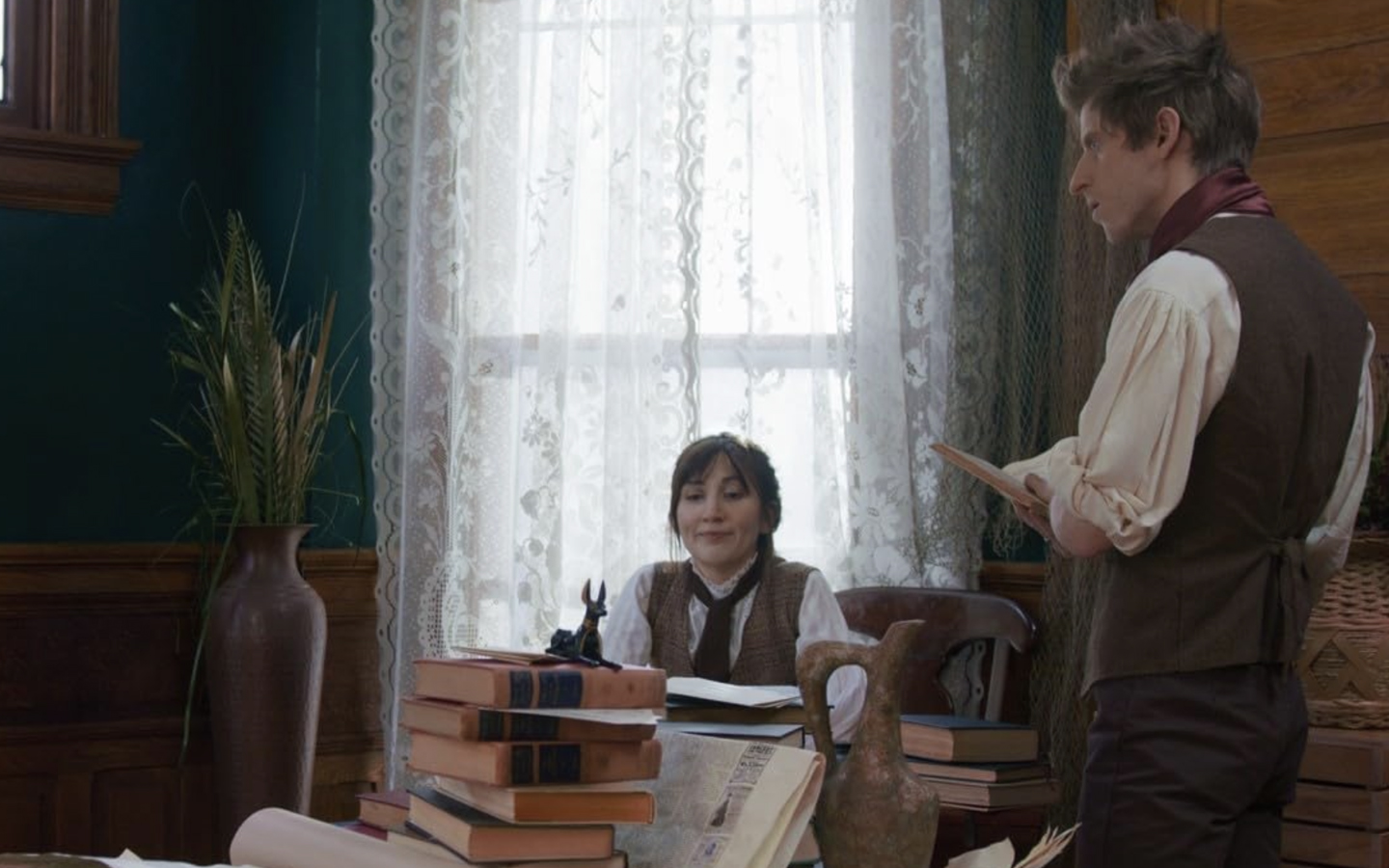
After the script was finalized and funding secured, the team filmed the project in just eight and a half days at a friend’s home in Adrian, Michigan. To stay within budget and on schedule, the film relied heavily on dialogue rather than expensive action sequences.These decisions
played wonderfully with the horror appeal they were going for, with scenes causing the viewer to feel uncomfortable and uneasy. This also made the action shots they were able to film even more impactful by having a stark contrast with the more stagnant dialogue driven scenes.
When discussing how to get over the fear of wanting to produce, Herman explained that students should just go for it.
“The best thing you can do, and it’s terrifying to say, but it’s to self produce. To look at what skills and talents you have around you, to play to your strengths and to try to create something, because in the process of creating something is when you really learn the craft,” said Herman.
“House of Ka” is a great example of this, with the Hermans developing their team by looking for local talent and support to create a memorable film.
This project goes to show that students don’t need to move to Hollywood or New York to work in the film industry. There are always local projects or festivals that students can join.
House of Ka is available to rent on Amazon Prime for $2.99 in SD or $3.99 in HD. You can also purchase the film for $9.99 in HD.