For nearly twenty years, Schoolcraft College students have walked into anthropology classrooms led by Professor Jessica Worden-Jones, whose life story reads like a lesson in global citizenship. Her path to teaching began long before she ever stepped onto a college campus, rooted in a childhood shaped by cultural exchange, international experiences and a deep curiosity about what it means to be human.
Growing up in Austin, Texas, Worden-Jones and her brothers shared their home with international graduate students, an experience that sparked an early fascination with other cultures. That spark grew into something much larger when, at fourteen, her family moved to Nairobi, Kenya, after her mother accepted a position with a humanitarian aid agency.
She spent her high school years in Kenya and Tanzania, surrounded by classmates from more than twenty countries. Those formative years, she says, taught her that culture is not an abstract concept, it’s lived, shared and constantly evolving.
A documentary viewing she attended in Kenya about child soldiers in Uganda pushed her interests toward refugees, conflict and human resilience. She went on to study history and psychology at the University of Texas, later earning master’s degrees in Anthropology and Social Work from the University of Michigan.
Her academic journey laid the foundation for a career centered on understanding people and helping communities.
Wordon-Jones’ introduction to Schoolcraft came through a friend who mentioned an opening for two anthropology courses. Nearly two decades later, she is still doing what she loves and “can’t see herself doing anything else but this.
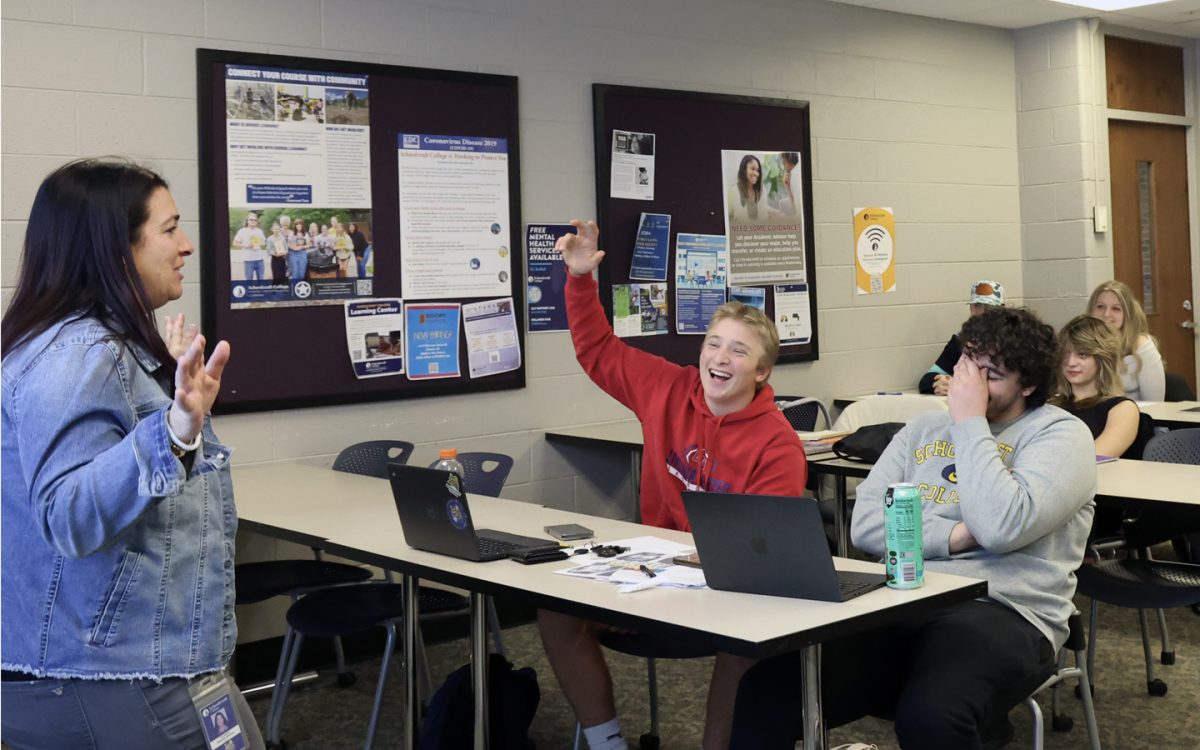
The small class sizes, she says, allow for genuine connection, something she values deeply.
“I’m always learning something new, from my peers, from my students, from the wider world and that opportunity is a gift,” said Worden-Jones.
Her approach to teaching reflects that belief. She sees the classroom as a space for exploration, where students can test ideas, ask questions and discover interests they didn’t know they had. She encourages students to visit office hours not just for academic help, but to talk through ideas, find resources and build relationships that support their goals. For students still figuring out their academic or career paths,
she believes the first two years of college are the perfect time to explore widely and follow curiosity wherever it leads.
Beyond the classroom, Worden-Jones plays a major role in connecting students with hands-on learning through her work as coordinator of the Service Learning Institute. Service Learning links coursework with community engagement, allowing students to work with nonprofit organizations while applying what they learn in class. Some students participate through designated courses, while others
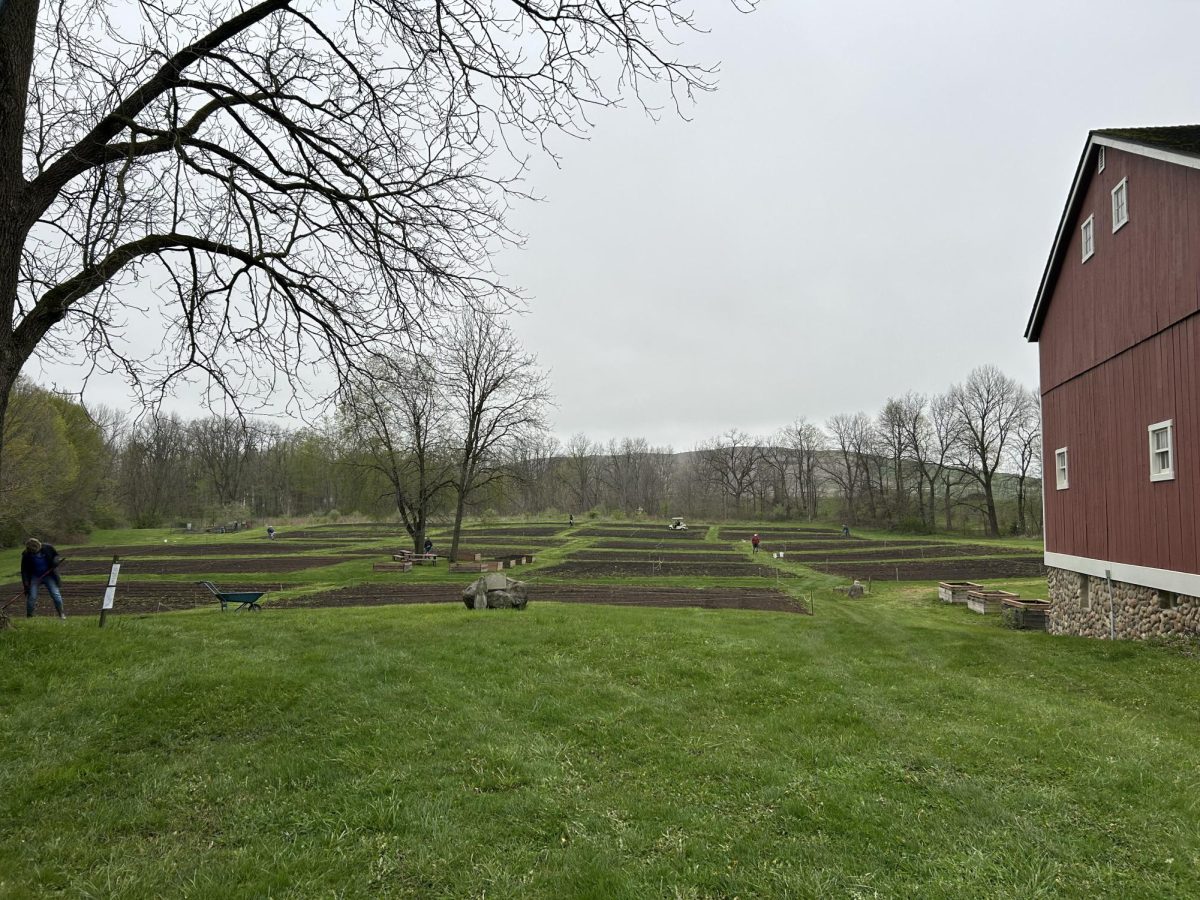
design their own Individual Service Options, projects that have ranged from writing poetry with fifth graders to testing soil in community gardens.
Students who complete 12 credit hours of service learning earn a college endorsement, a valuable addition to transfer applications and résumés.
The program is part of the Center for Experiential Learning (CEL), which she enthusiastically recommends to all students. CEL opportunities include a Detroit River ecology trip, the STEAM@ Schoolcraft student-led conference, summer research partnerships with the University of Michigan, and the prestigious Schoolcraft Scholars Honors Program.
One of her most memorable experiences came during the first Summer Seminar hosted by the CEL. The weeklong program immersed students and faculty in Detroit’s history, ecology and culture through classroom learning and field trips. The final
day, when students presented reflections from their journals, stands out as a highlight. “Hearing them share their stories and looking at the images they’d created was amazing,” she recalls. “Learning alongside both the students and my fellow faculty was truly a privilege.”
For students considering a career in anthropology or social work, she emphasizes the value of cross-cultural experience. Anthropology, she notes, pairs well with many professions, from nursing to business to education, because understanding people is essential everywhere. Worden-Jones encourages students to attend cultural events on campus, join clubs and participate in programs like the Focus Series or the Multicultural Fair.
“Get involved and try something new,” said Worden-Jones. “It’s good practice for any career that involves working with people.”
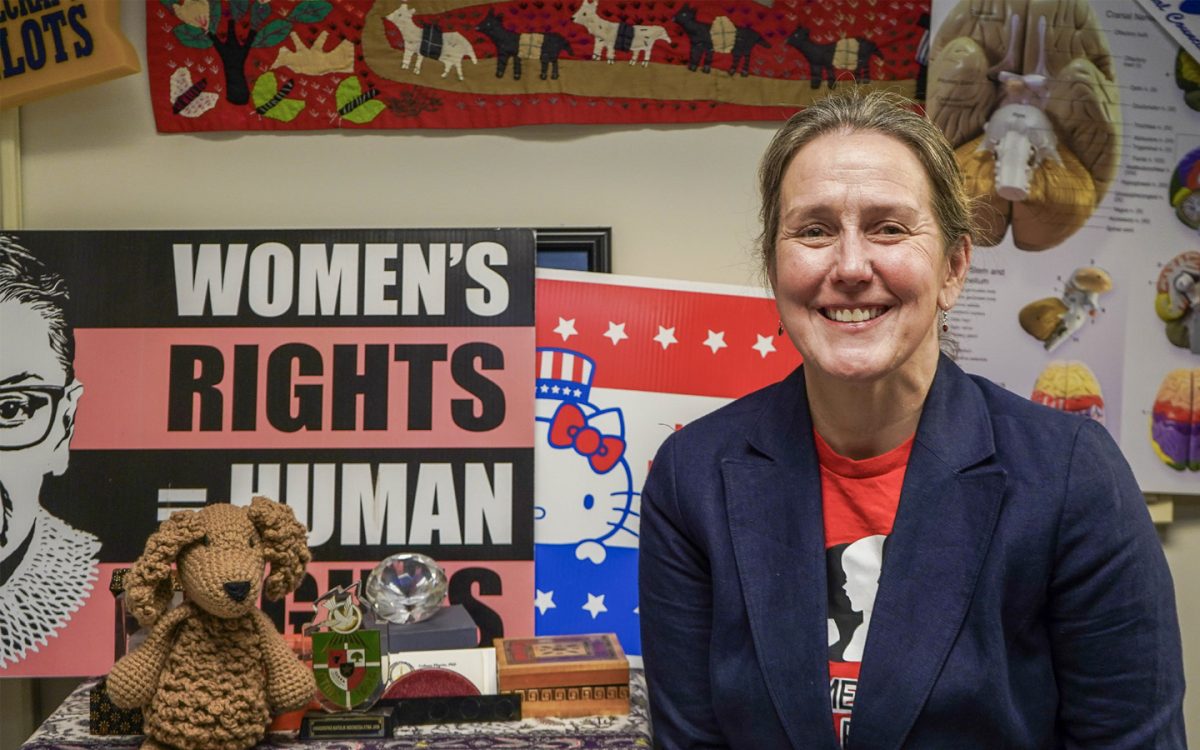
Outside of her academic life, Worden-Jones describes herself as an avid amateur photographer and an enthusiastic crocheter of stuffed animals, many of which quietly appear on colleagues’ desks. Her favorite animal, fittingly, is the African elephant, which she said is “smart, compassionate, family-focused and absolutely beautiful to behold in the wild.” She also speaks with warmth about her family, her husband,
three adult stepchildren and two young grandsons, who she says “hung the moon and stars.”
Worden-Jones’s story is one of curiosity, compassion and connection, qualities she brings to her students every day. And for those who step into her classroom, the world becomes just a little bigger.